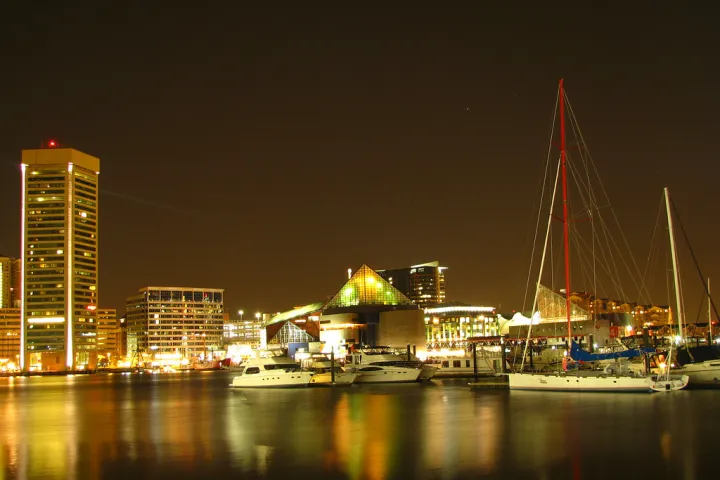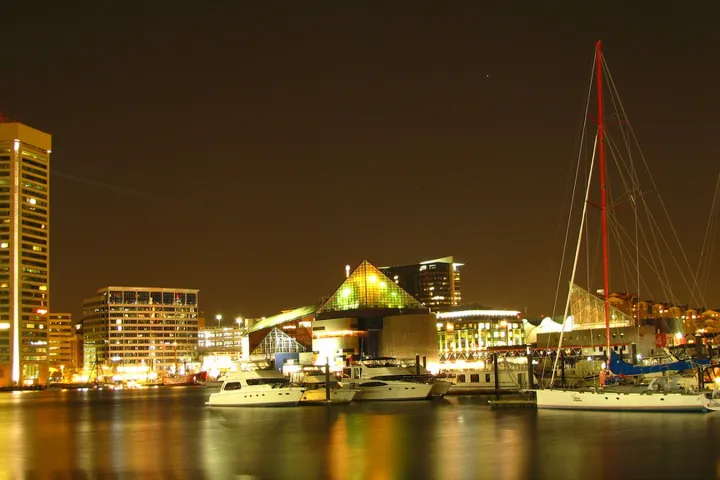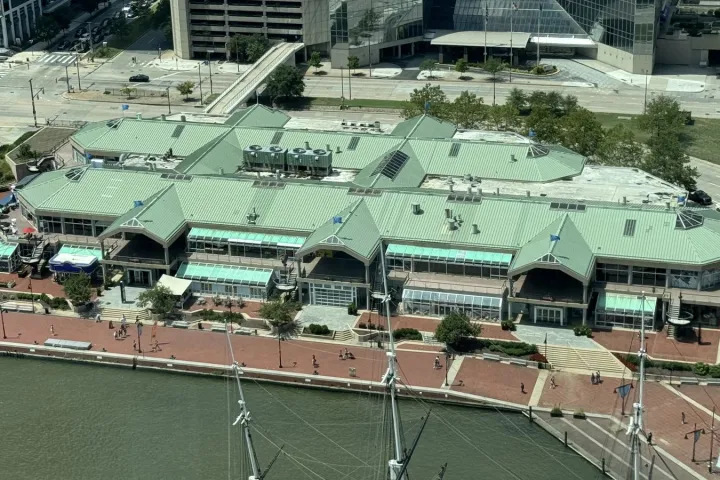
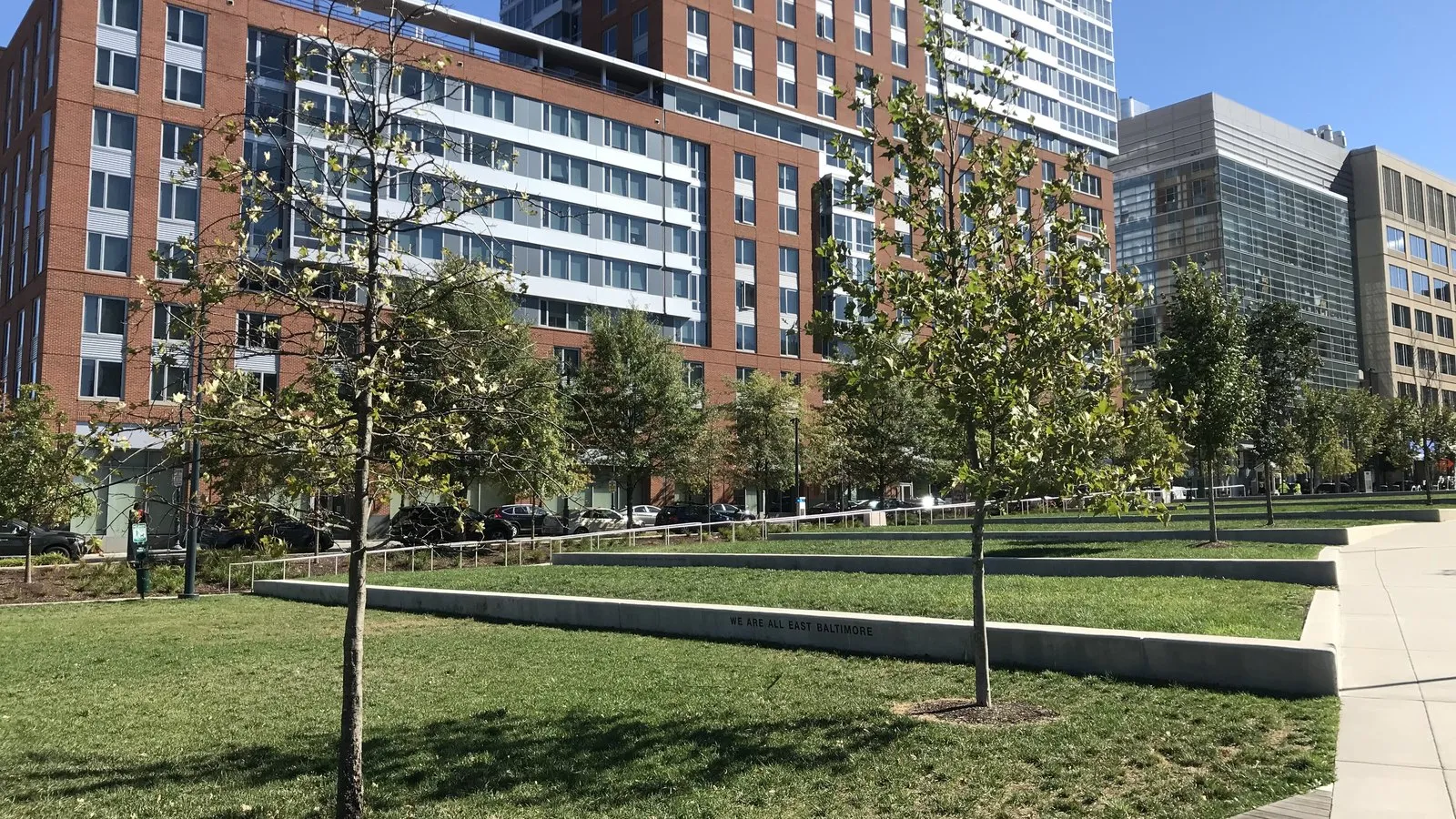
Eager Park, the 5.5-acre green at the center of the East Baltimore redevelopment. Photo: Baltimore Heritage / Wikimedia Commons, CC0
Cheryl Washington’s role at East Baltimore Development Inc. ends Nov. 30, closing out more than two decades of work on the 88-acre redevelopment north of the Johns Hopkins medical campus. The city’s economic development agency now runs the project, and its new leader says the job left is the last six parcels.
The handoff matters for East Baltimore because those parcels, which the Baltimore Development Corporation says will include housing, office space, retail and a parking garage, are the final pieces of a master plan that has reshaped the neighborhood around Eager Park since the early 2000s.
Who is in charge now
Under an alignment that took effect Sept. 1, EBDI remains a separate nonprofit with its own assets, but BDC handles its day-to-day operations and administration. In early November, BDC named its chief real estate officer, Jeremy Watson, executive director of EBDI, according to a BDC announcement. Washington, EBDI’s president and CEO since 2018, stayed on as an advisor through the end of November and has started a consulting firm, Washington Strategic Advisors.
“I am excited to lead EBDI through this final chapter as we complete the master plan,” Watson said in the announcement, adding that a master developer for the remaining parcels “will soon be announced.”
The governing board is now the BDC EBDI Operations Committee. BDC said five community representatives will sit on an advisory committee that works with it, and the August announcement of the alignment said two community representatives would also serve on the operations committee itself.
What two decades produced
The joint EBDI and BDC release in August laid out the record. The groups say the initiative has generated about $1.8 billion in investment and delivered more than 1 million square feet of commercial space, about 850 mixed-income housing units, the 5.5-acre Eager Park and the Henderson-Hopkins School.
It also required relocating about 750 households, which the release calls “one of the most difficult and controversial aspects of the initiative.” EBDI says an independent survey found 90% of relocated families satisfied with their new homes, and that the average home equity of relocated homeowners rose from about $29,000 to $153,000.
Neighborhood numbers in the release show the area’s population grew 22% from 2009 to 2024, and the vacant housing rate in the EBDI footprint fell from 47% to 16%. As of June, minority-owned businesses had received 33.7% of $460 million in construction contracts, or $155.15 million, and local businesses 36%, or $166.9 million. Baltimore City residents worked 32.9% of the project’s 878,147.5 labor hours.
The money behind it
The redevelopment is financed in part through the East Baltimore tax increment financing district. According to the August release, the district’s taxable assessed value has grown from about $12.7 million to nearly $380 million. It generated about $6.7 million in tax increment revenue in fiscal 2026, enough to fully cover senior bond payments, and is projected to cover all annual debt service in fiscal 2027 without adding to the roughly $1.17 million still accrued on subordinate bonds.
EBDI’s community commitments carry over under the new model, including Opportunity to Return, economic inclusion goals and local hiring requirements. BDC announced Nov. 12 that EBDI was launching a $1 million Community Reinvestment Fund for the broader East Baltimore community; the August release said about $1 million had been set aside for it.
The change folds EBDI into an agency that already runs several of the city’s business programs, including the $1 million energy-bill grants BDC opened this month. The neighborhood has also drawn new state money for Safer Stronger Together in East Baltimore, and the city’s other large redevelopment, Harborplace, faces a Board of Estimates vote Dec. 2.
The next milestone for East Baltimore is BDC’s choice of a master developer for the final six parcels, which the agency has not yet named. More coverage of the city’s economy is in our Business section.
Helen Ashbury covers Baltimore for Voice of Baltimore.