Photo: Carol M. Highsmith / Wikimedia Commons, public domain
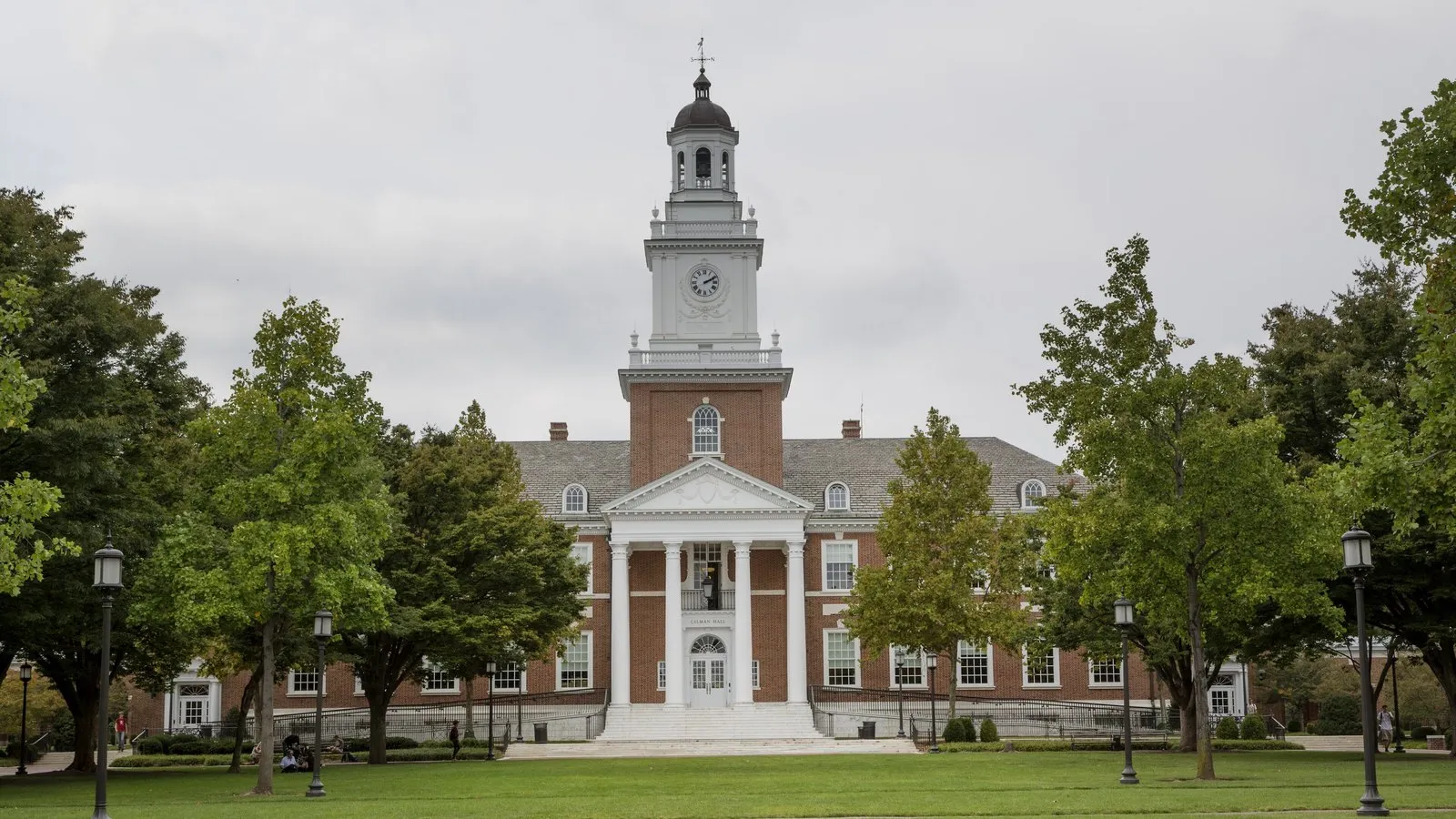
Johns Hopkins University is forming an advisory committee to study whether to enroll more undergraduates at its Homewood campus, after a fall in which 1,478 first-year students arrived, about 90 more than the university expected.
The university announced the committee Nov. 17. Its members, drawn from faculty, staff and students, will look at what added enrollment would require in academic programs, faculty, housing and facilities, student services and financial aid. The group is set to meet through the academic year and report recommendations during the spring semester.
For North Baltimore, a larger undergraduate body would mean more students living, eating and commuting around Charles Street, next door to the Remington labs and Hopkins spinouts we covered in September. The announcement gives no target class size and says any growth would need “careful consideration of additional space and resources needed to support more students.”
Where the push comes from
The idea is not new. Hopkins’ Ten for One strategic framework, released in 2023 and covering priorities through 2030, called for considering larger incoming classes. The framework notes that Hopkins has one of the smallest undergraduate programs among its Ivy Plus peers and asks whether the university should heed the “moral and practical call to grow the size of our undergraduate class.”
The numbers in the announcement show why the question is back now. Nearly 46,000 students applied for the Class of 2030, and 6.1% were admitted. A higher-than-expected share of those admitted chose to enroll this fall.
“Every year, we turn away thousands of highly qualified and talented applicants who we know could thrive at Hopkins,” David Phillips, vice provost for admissions and financial aid, said in the announcement.
Interim Provost Lainie Rutkow said it is “a good moment to consider how we might make that opportunity available to more students while maintaining our standards for academic excellence, outstanding faculty resources, and nationally leading financial aid.”
Faculty and buildings already added
The university points to growth it has already made. Its faculty grew 20% since 2016, from 4,447 to 5,346. The Krieger School of Arts and Sciences and the Whiting School of Engineering, which teach most undergraduates, together added 45% more faculty over that period.
On the Homewood campus, Hopkins lists renovated classrooms and teaching labs, the new Bloomberg Student Center and expanded recreation space. A renovation of the Milton S. Eisenhower Library is underway, as is construction of a new first-year residence hall and dining facility.
The announcement also says students have shown interest in more course offerings in business, entrepreneurship and artificial intelligence.
Aid and access
Any expansion would build on financial aid changes of the past decade. Michael R. Bloomberg’s $1.8 billion gift in 2018 made Hopkins undergraduate admissions permanently need-blind and removed loans from aid packages. In November 2025 the university began offering free tuition to students from families earning up to $200,000 a year, and free tuition plus living expenses for families earning up to $100,000.
This fall, 26.7% of incoming students are eligible for federal Pell Grants and 36.1% are first-generation college students or from families with limited incomes. The university says both figures are the highest in its history.
The committee is expected to start work later this fall, with recommendations due in the spring. Any decision on class size would follow that report. Follow the rest of the city’s institutions and neighborhoods in our News and Community sections, and Baltimore’s employers and economy on our Business page.